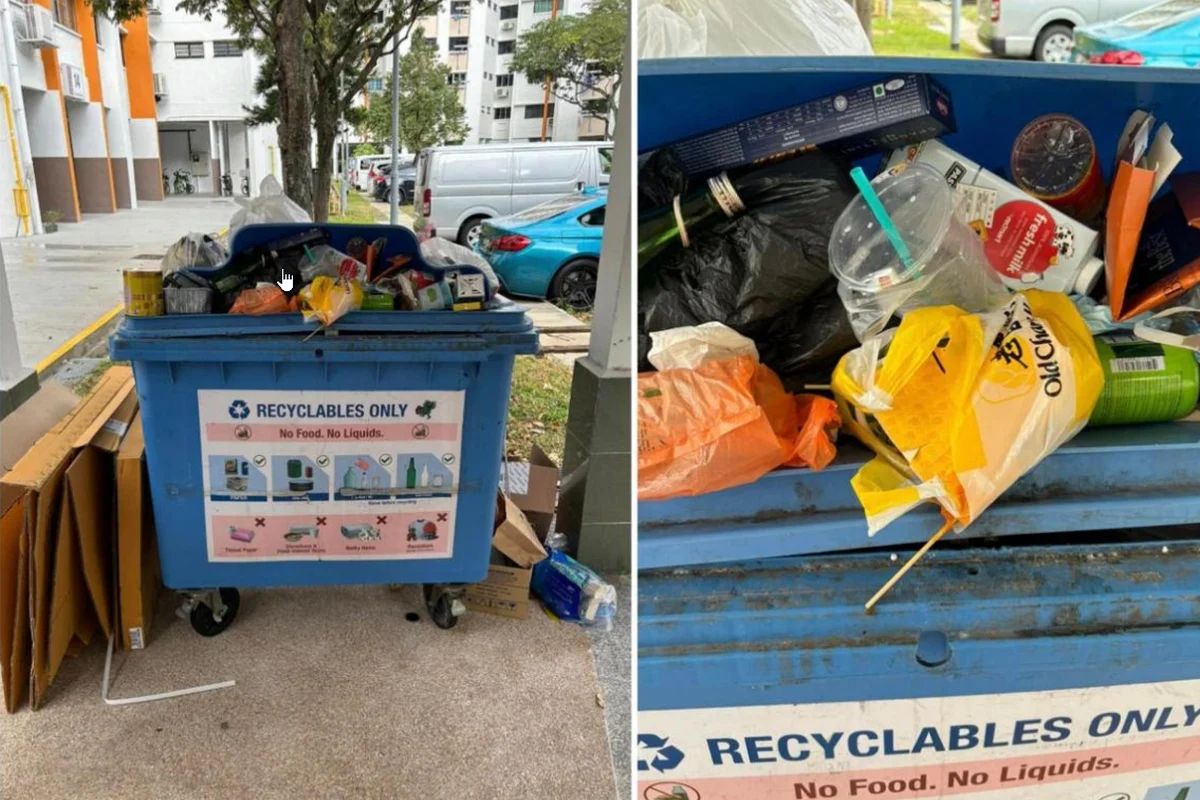
A recycling container can be full and still be a problem. Mixed bags, food, liquids, and unsuitable objects make it harder to maintain the intended collection stream. Residents also need to know where organics belong; a recycling symbol on a package is not a complete local sorting guide.
For multifamily communities, the practical starting point is the city's or hauler's current accepted-materials guidance. Use that information where residents dispose of waste, then check whether the setup works in daily use.
Do not substitute generic recycling advice for local rules
Different programs accept different materials and preparation methods. Use the instructions for the property's collection program, including whether bags are permitted and how food-soiled material is handled. When an item is unclear, obtain an answer from that program instead of guessing from the packaging.
Put useful signs at the point of disposal
Keep signs readable, consistent with the actual containers, and focused on the common mistakes observed onsite. Pictures of accepted and unaccepted items can support the written instructions. Check whether lighting, placement, or a missing label makes an otherwise correct sign ineffective.
Make the right container reachable
Residents are less likely to follow the intended sorting arrangement when one stream is hidden, blocked, or routinely full. Look at the route from the building to the bins and compare fill levels across streams. Correct an access or capacity problem alongside any reminder to residents.
Understand the California organics baseline
CalRecycle explains that multifamily complexes with five or more units generally must arrange organics collection or an approved alternative under local program rules. Its guidance covers adequate, properly identified containers, annual sorting information for tenants, and information for new tenants within 14 days of occupancy. Confirm applicable local requirements and any exemption or waiver with the jurisdiction.
Document contamination and its response
Record the location, material involved, and action taken. If the hauler reports contamination or adds a charge, compare the explanation with the contract and local instructions. Use the pattern to improve placement or communication. Do not present a particular fine or fee as universal across Southern California.
Assign education and onsite support deliberately
Management should identify who maintains resident instructions and tracks required outreach. Strategic's waste-area upkeep, monitoring, and organics tote support can assist the property's operations within the agreed plan. That support does not replace the hauler's processing role or transfer the owner's and manager's program responsibilities.
What to take back to your community
Good recycling depends on the right instructions, accessible containers, and a response to the mistakes actually happening onsite.