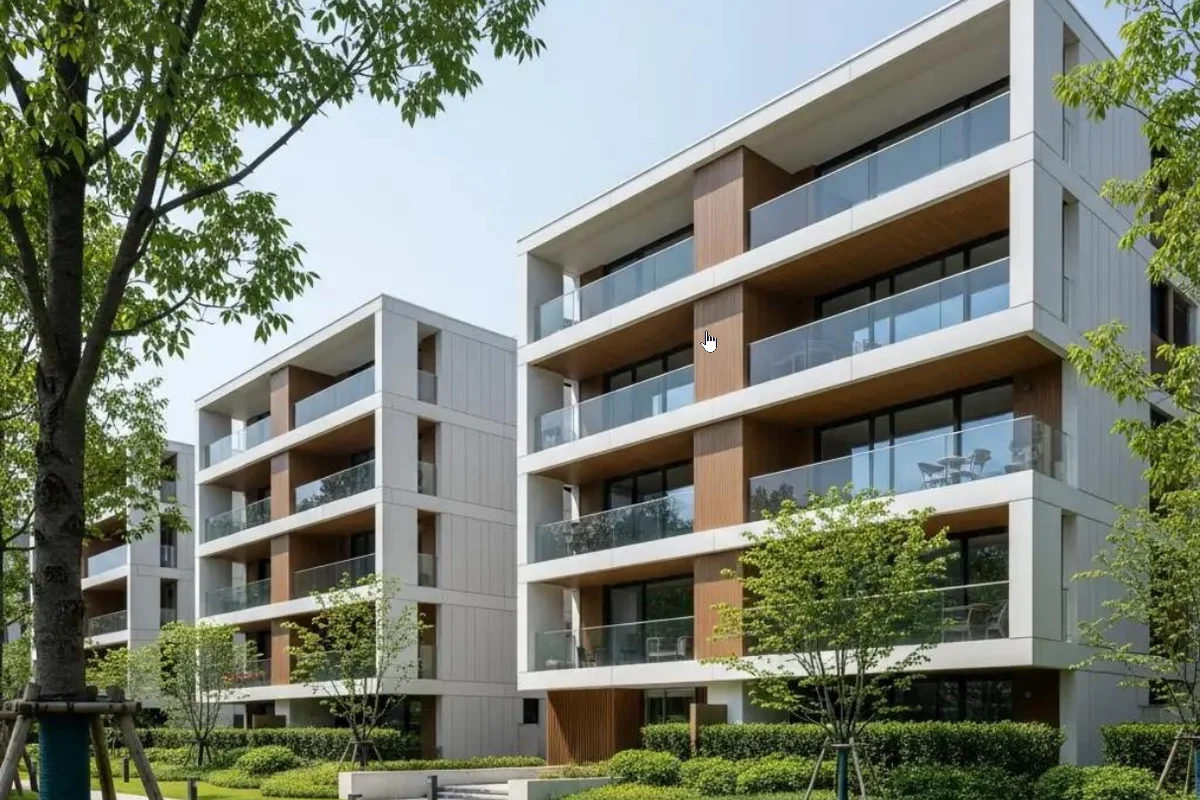
A property's landscaping and amenities set an expectation. A resident who then meets a blocked dumpster, an unpleasant trash room, or an unreliable disposal route experiences a different standard in a space they use repeatedly.
Waste management is part of that everyday experience. It will not determine every resident's opinion, and no single cleanup proves an effect on retention. It does give managers a practical area where consistency and follow-through can be observed directly.
Walk the route from the resident's perspective
Follow the normal route to the waste area and note signs, access, lighting concerns, and the final disposal point. Check more than the view from the leasing path. A problem may be confined to one building or one time of day that a routine management visit misses.
Connect appearance to usability
A freshly washed enclosure is not fully usable if bags block the nearest bin. A correctly serviced container is still frustrating if residents cannot identify which stream it accepts. Consider cleanliness, capacity, and clear access together rather than measuring each provider's task in isolation.
Give bulky items a predictable route
Residents should know where approved large items go and how removal is arranged. Communicate the property's actual process without implying that every object qualifies. A consistent pickup arrangement helps prevent furniture from becoming a permanent feature beside otherwise well maintained buildings.
Respond visibly when routine service is interrupted
A missed collection or equipment outage needs an owner, a temporary arrangement, and a clear update. Tell residents what they can use while the issue is addressed. Close the loop when normal service resumes so residents do not continue following outdated instructions.
Measure the experience with property evidence
Review repeat complaint locations, unresolved work orders, visible conditions, and resident feedback. Compare equivalent periods rather than attributing every change to one service visit. If management tracks satisfaction or renewals, treat waste operations as one contributing factor alongside the many others affecting those measures.
Set a standard the service team can deliver
Agree on scope, frequency, reporting, and escalation for each part of the property. Strategic's recurring waste-area services can support the daily standard, while the hauler handles its contracted collections. Revisit the arrangement when occupancy, material volume, or the property's equipment changes.
What to take back to your community
The waste area should feel like a managed part of the community every day, not an exception to the property's standards.